
Table of Contents
The global economy runs on logistics. Every commodity that is extracted, every agricultural product that is harvested, and every manufactured good that is produced depends on a supply chain, a series of transportation, storage, handling, and distribution activities that move goods from where they are produced to where they are consumed. The businesses that manage these supply chains are, in economic terms, some of the most strategically essential in the world.
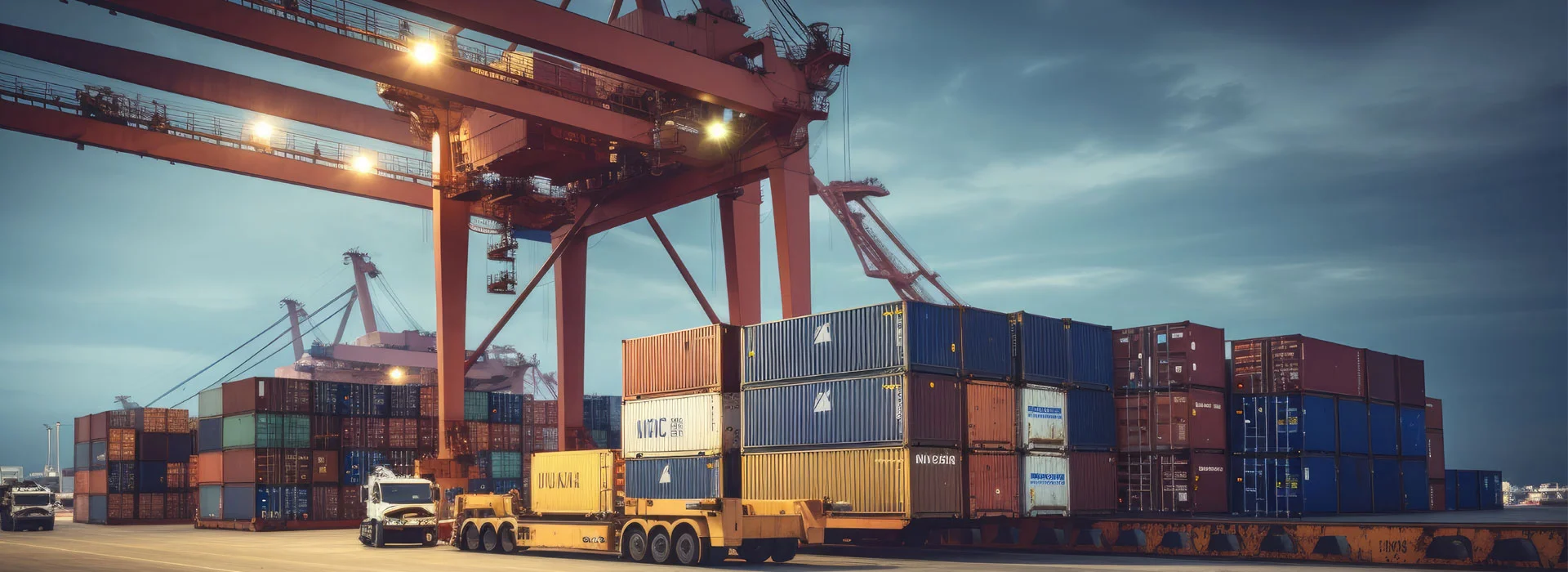
RMS Logistics is Mangena Group’s supply chain and logistics platform, a business that provides logistics and supply chain solutions supporting global trade operations. Its role within the Mangena Group portfolio is both commercially important and strategically significant: commercially, because well-run logistics businesses generate consistent, recurring revenue from activities that are essential to global commerce; strategically, because logistics capability supports and enhances the value of the group’s other portfolio businesses across natural resources, energy, agriculture, and infrastructure.
What Logistics Investment Actually Means
The logistics and supply chain sector encompasses a wide range of business models and activities. At the most basic level, logistics means moving goods from one place to another through transportation, whether by road, rail, sea, or air. But the logistics industry has evolved far beyond simple transportation into a sophisticated sector that includes warehousing and inventory management, freight forwarding and customs brokerage, supply chain planning and optimization, cold chain management for perishables, and integrated end-to-end supply chain management for major industrial clients.
Logistics investment within Mangena Group’s portfolio, through RMS Logistics, focuses on the supply chain solutions that support global trade, particularly the trade flows associated with the commodities, agricultural products, and industrial goods that the group’s other portfolio companies produce or handle. This alignment between logistics capability and the group’s broader commercial activities is not accidental; they are part of the deliberate portfolio architecture that Daniel Mangena has built to create interconnected value across the group’s businesses.
The Strategic Importance of Logistics in Emerging Markets
For a family office platform with significant investment activity in Africa and the Americas, logistics capability is not simply a nice-to-have; it is a fundamental operational requirement. Emerging market logistics environments are characterized by challenges that do not exist in developed market supply chains: infrastructure deficits, regulatory complexity at borders, limited availability of qualified logistics providers, and the need for creative solutions to movement and storage challenges that established logistics companies in mature markets have rarely encountered.
In Africa, in particular, the logistics environment is one of the most significant factors affecting the economics of resource development and agricultural production. Getting minerals from an inland mine to a coastal export terminal, or getting agricultural produce from a rural growing region to an urban distribution center or export port, requires logistics capability that is genuinely scarce in many African jurisdictions. Businesses with that capability occupy a strategic position that is difficult to replicate and that positions them to capture value from the growing volume of commodity and agricultural trade that African economic development will generate.
Technology and Supply Chain Intelligence
Modern logistics is increasingly a technology business. Real-time visibility of goods in transit, data-driven route optimization, predictive maintenance for logistics assets, and digital documentation for cross-border shipments are all components of a contemporary logistics operation that distinguish high-performing logistics businesses from those relying on legacy operational models.
RMS Logistics’ development within the Mangena Group portfolio reflects the group’s recognition that logistics investment in the current environment is not simply investment in physical assets trucks, warehouses, handling equipment) but investment in the systems and capabilities that make logistics operations efficient, transparent, and competitive in a market where customers increasingly expect real-time visibility and consistent performance.
RMS Logistics and the Mangena Group Ecosystem
Like every business in the Mangena Group portfolio, RMS Logistics does not operate in isolation. It is connected to the group’s other businesses through commercial relationships, shared infrastructure, and aligned strategic objectives. Mangena General Trading, the group’s commodity and agricultural trading platform, generates logistics requirements that RMS Logistics can serve. The group’s agricultural production activities through Mangena AgriTec create supply chains that require logistics management. The group’s natural resources and energy businesses generate commodity flows that need reliable, experienced logistics handling.
This internal ecosystem of commercial relationships provides RMS Logistics with a pipeline of business that is not subject to the competitive dynamics of the open market, while external client relationships with third-party businesses operating in the same sectors provide additional revenue and help to build the operational scale and market presence that make the business more valuable over time.
The Long-Term Value of Supply Chain Position
Supply chain businesses, at their best, develop something that is extremely valuable in the long run: deep, operational relationships with the businesses they serve. A logistics provider that has handled a major mining company’s export operations for five years or managed the cross-border supply chain for a significant agricultural business over multiple growing seasons possesses operational knowledge and relationship capital that is not easily displaced by a competitor offering lower prices.
This relationship capital built through consistent service delivery, problem-solving during operational challenges, and genuine understanding of the client’s business is one of the most defensible sources of competitive advantage in the logistics sector. For Mangena Group, RMS Logistics’ long-term development within the group’s portfolio is oriented toward building exactly this kind of relationship capital: becoming the trusted, operationally superior supply chain partner for the businesses it serves.